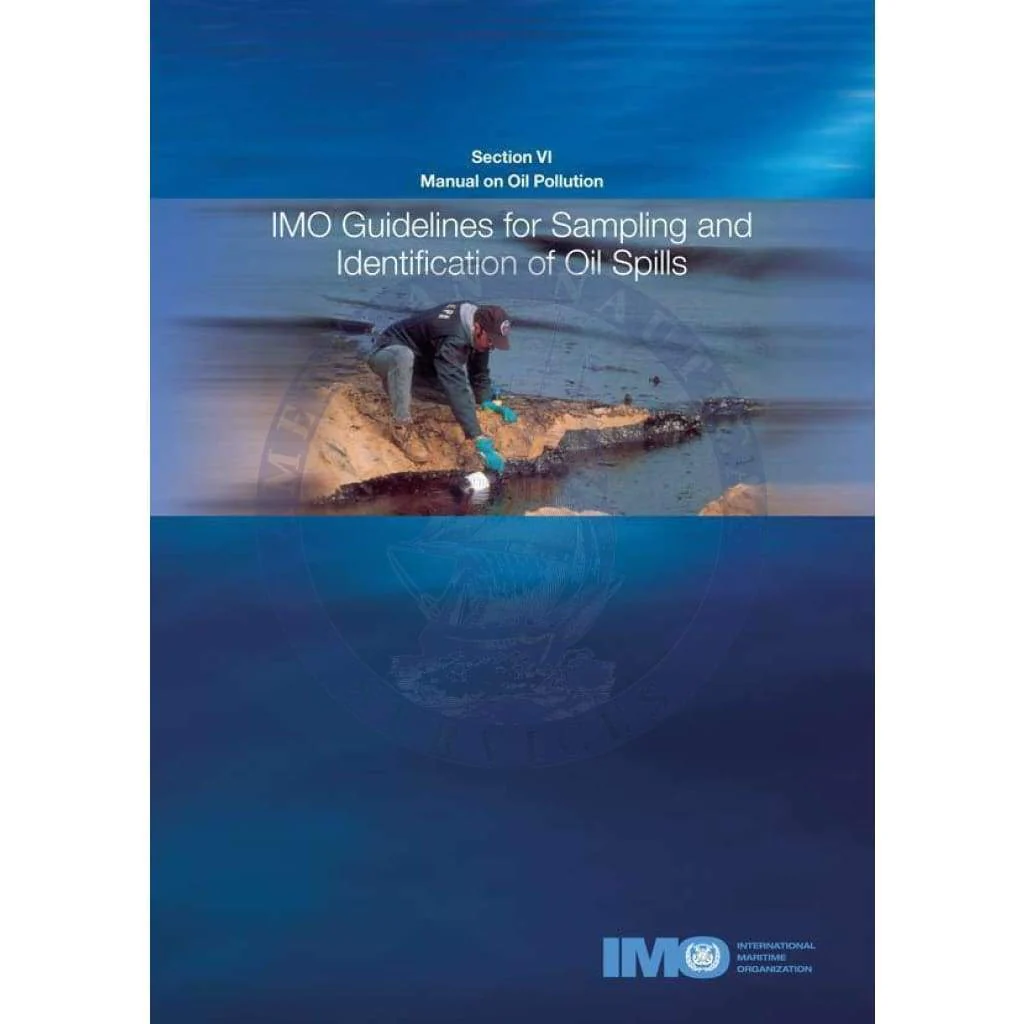
Manual on Oil Pollution Section VI -Guidelines for Sampling and Identification of Oil Spills
The IMO Manual on Oil Pollution is an essential resource for governments, agencies, and organizations involved in environmental management and oil spill response. This comprehensive guide focuses on providing effective techniques and strategies for the sampling and identification of oil spills, an urgent need for governmental and non-governmental parties alike.
This manual emphasizes fieldwork, detailing how to collect samples under various conditions. Although it also mentions laboratory analysis methods, the core strength lies in its practical guidance for field sampling. This practical approach ensures responders can carry out effective sampling, leading to accurate identification of oil sources, which is crucial for successful remediation efforts.
Key features include:
- Detailed guidelines for collecting oil samples in various environments, ensuring reliable data collection.
- Best practices for identifying unknown sources of spilled oil, aiding in prompt and effective response strategies.
While the hard copy of this vital publication is no longer available, the information it contains continues to be relevant in today’s ever-evolving environmental landscape. The IMO Manual on Oil Pollution stands as a valuable asset for those dedicated to combating oil pollution and minimizing its impact on marine ecosystems.
Incorporating the latest scientific insights and recommendations, this manual serves as a crucial tool for fostering better practices among developing countries and enhancing global oil spill response initiatives. Equip your team with the knowledge needed to tackle oil spills efficiently and effectively with the IMO Manual on Oil Pollution.
The IMO Manual on Oil Pollution is an essential resource for governments, agencies, and organizations involved in environmental management and oil spill response. This comprehensive guide focuses on providing effective techniques and strategies for the sampling and identification of oil spills, an urgent need for governmental and non-governmental parties alike.
This manual emphasizes fieldwork, detailing how to collect samples under various conditions. Although it also mentions laboratory analysis methods, the core strength lies in its practical guidance for field sampling. This practical approach ensures responders can carry out effective sampling, leading to accurate identification of oil sources, which is crucial for successful remediation efforts.
Key features include:
- Detailed guidelines for collecting oil samples in various environments, ensuring reliable data collection.
- Best practices for identifying unknown sources of spilled oil, aiding in prompt and effective response strategies.
While the hard copy of this vital publication is no longer available, the information it contains continues to be relevant in today’s ever-evolving environmental landscape. The IMO Manual on Oil Pollution stands as a valuable asset for those dedicated to combating oil pollution and minimizing its impact on marine ecosystems.
Incorporating the latest scientific insights and recommendations, this manual serves as a crucial tool for fostering better practices among developing countries and enhancing global oil spill response initiatives. Equip your team with the knowledge needed to tackle oil spills efficiently and effectively with the IMO Manual on Oil Pollution.
Description
The IMO Manual on Oil Pollution is an essential resource for governments, agencies, and organizations involved in environmental management and oil spill response. This comprehensive guide focuses on providing effective techniques and strategies for the sampling and identification of oil spills, an urgent need for governmental and non-governmental parties alike.
This manual emphasizes fieldwork, detailing how to collect samples under various conditions. Although it also mentions laboratory analysis methods, the core strength lies in its practical guidance for field sampling. This practical approach ensures responders can carry out effective sampling, leading to accurate identification of oil sources, which is crucial for successful remediation efforts.
Key features include:
- Detailed guidelines for collecting oil samples in various environments, ensuring reliable data collection.
- Best practices for identifying unknown sources of spilled oil, aiding in prompt and effective response strategies.
While the hard copy of this vital publication is no longer available, the information it contains continues to be relevant in today’s ever-evolving environmental landscape. The IMO Manual on Oil Pollution stands as a valuable asset for those dedicated to combating oil pollution and minimizing its impact on marine ecosystems.
Incorporating the latest scientific insights and recommendations, this manual serves as a crucial tool for fostering better practices among developing countries and enhancing global oil spill response initiatives. Equip your team with the knowledge needed to tackle oil spills efficiently and effectively with the IMO Manual on Oil Pollution.